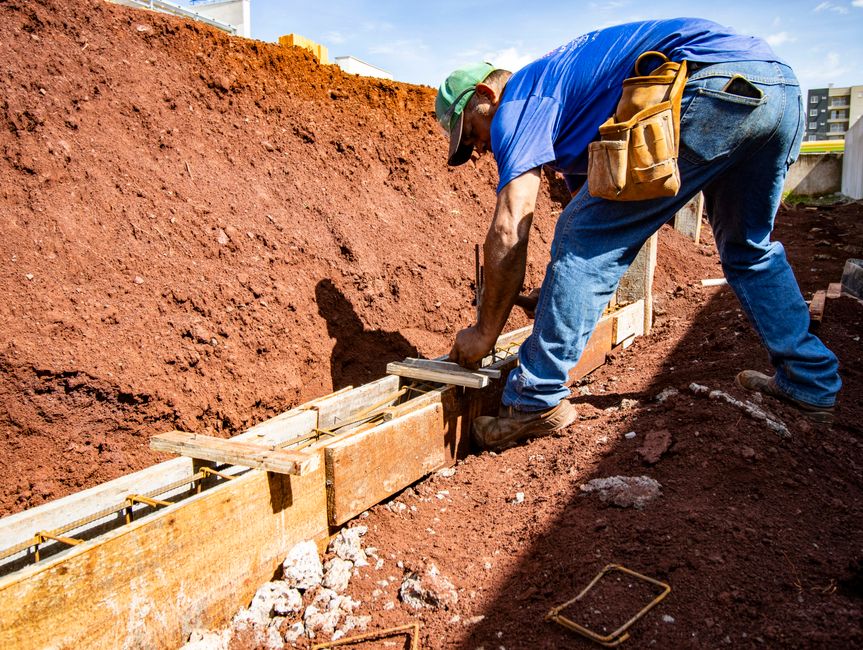
Foundation repair Tulsa homeowners seek is often driven by visible signs like cracks in walls, uneven floors, or doors that no longer close properly. These issues can signal serious structural problems that, if left untreated, may lead to costly damage and safety hazards.
Local soil conditions and weather patterns in Tulsa frequently contribute to foundation shifting and settling, making timely intervention essential. Professional companies in Tulsa typically assess the underlying causes before recommending tailored solutions to stabilize and restore home foundations.
Homeowners looking for reliable foundation repair in Tulsa should expect a thorough evaluation to identify problems such as soil erosion, moisture intrusion, or structural weaknesses. Understanding these factors helps ensure that repairs address root causes rather than just cosmetic symptoms, protecting property value and occupant safety over the long term.
Quick Takeaways
- Foundation repair in Tulsa addresses common issues such as settling, cracks, and water damage.
- Soil conditions and seasonal moisture fluctuations significantly impact foundation stability in the region.
- Professional assessment typically involves detailed inspections and may require specialized equipment for accurate diagnosis.
- Repair methods vary from pier installation to slab leveling, depending on the severity and type of foundation damage.
- Costs and timelines can differ widely; homeowners should expect estimates based on individual property needs and repair complexity.
Common Causes of Foundation Problems in Tulsa Homes
Foundation issues in Tulsa are frequently linked to the region’s expansive clay soil, which is notorious for its ability to absorb and release moisture. This swelling and shrinking behavior exerts significant pressure on foundations, often leading to cracks, shifts, or uneven settling.
Homeowners should understand that these soil movements are natural but can cause substantial structural damage if left unaddressed.
Seasonal moisture changes further complicate foundation stability in Tulsa. The area's climate experiences pronounced wet and dry periods, causing the soil to alternately expand during heavy rains and contract during droughts.
These cycles can undermine a foundation’s integrity by creating voids beneath slabs or exerting uneven lateral forces against foundation walls.
Additional Factors Contributing to Foundation Problems in Tulsa
- Improper drainage systems: Poorly designed or clogged gutters and downspouts can lead to water pooling near the foundation, exacerbating soil saturation and increasing hydrostatic pressure.
- Construction practices: Inadequate soil compaction or insufficient foundation depth during building can leave structures vulnerable to shifting soils common in Tulsa.
- Vegetation impact: Large trees and shrubs with extensive root systems can absorb significant moisture from the soil, causing localized drying and soil shrinkage near foundations.
- Weather patterns: Sudden storms and prolonged dry spells typical of Tulsa’s climate intensify soil movement, accelerating foundation wear.
Understanding these primary causes helps homeowners anticipate potential foundation challenges associated with Tulsa’s unique soil conditions and weather patterns. Local foundation repair contractors typically assess these factors when recommending appropriate solutions tailored to each property’s circumstances.

Signs and Symptoms Indicating Your Tulsa Home Needs Foundation Repair
Homeowners in Tulsa should remain vigilant for visible foundation cracks, which often serve as the earliest indicators of structural distress. These cracks can appear in interior walls, exterior masonry, or basement floors and vary in size from hairline fissures to wider separations.
Cracks wider than 1/8 inch or those that continue to grow over time typically warrant professional assessment.
Door and window misalignment is another common symptom signaling foundation movement. When doors or windows begin to stick, fail to close properly, or exhibit noticeable gaps around frames, it often reflects shifting or settling of the underlying foundation.
This misalignment can also cause uneven pressure on frames, accelerating wear and potential damage.
Additional Warning Signs of Foundation Issues
- Uneven or sloping floors: Floors that feel tilted or have noticeable dips may indicate foundation settling or soil movement beneath the home.
- Water intrusion in basements or crawl spaces: Persistent moisture, dampness, or visible water stains can suggest compromised foundation walls or inadequate drainage, exacerbating foundation problems.
- Cracks in drywall or ceiling: Structural shifts can cause stress fractures in interior finishes, often appearing near corners or where walls meet ceilings.
- Separation between walls and ceilings or floors: Gaps forming between structural components may reveal ongoing foundation movement.
Recognizing these early symptoms of foundation damage enables homeowners to seek timely evaluation and mitigate further deterioration. Local contractors typically perform detailed inspections to determine the severity and recommend appropriate repair strategies tailored to Tulsa’s unique soil and weather conditions.
Common Mistake to Avoid
One frequent error Tulsa homeowners make is delaying professional assessment despite noticing early signs of foundation damage. Ignoring minor cracks or uneven floors can lead to escalated repair costs and more extensive structural issues.
Early intervention following a detailed inspection helps address problems caused by soil shifting and seasonal moisture before they worsen.
Overview of Foundation Repair Methods Used in Tulsa
Foundation repair contractors in Tulsa often rely on a combination of specialized methods tailored to address the unique challenges posed by expansive clay soil and fluctuating seasonal moisture. Among the most prevalent techniques are piering, slabjacking, carbon fiber reinforcement, and soil stabilization.
Each approach offers distinct advantages and limitations depending on the extent of foundation damage and the specific structural conditions.
Piering is widely used in Tulsa due to its effectiveness in stabilizing homes affected by soil shifting and settling. This method involves installing deep steel or concrete piers beneath the foundation to transfer weight to more stable soil layers.
While piering provides long-term stability and can correct significant settling issues, it typically requires excavation and can be more costly compared to other options.
Slabjacking, also known as mudjacking, is a cost-effective solution that involves pumping a grout mixture beneath a sunken slab to raise it back to its original position. This technique works well for minor settling and can be completed relatively quickly.
However, it may not be suitable for foundations with extensive cracking or those affected by severe soil instability, as the lifted slab might settle again if soil conditions are not addressed.
Additional Repair Techniques
- Carbon fiber reinforcement is increasingly popular for reinforcing foundation walls without invasive excavation. This method uses strong, lightweight carbon fiber strips applied to walls showing cracks or bowing, enhancing structural integrity. It is minimally disruptive and suitable for homes with moderate wall damage but does not address underlying soil issues.
- Soil stabilization targets the root cause of foundation problems by improving soil properties around the foundation. Techniques may include injecting chemical stabilizers or improving drainage to reduce moisture fluctuations. While effective in preventing future damage, soil stabilization is often combined with other repair methods to ensure comprehensive foundation stability.
Homeowners looking for foundation repair in Tulsa should understand that professional contractors typically assess the foundation stability, soil conditions, and damage severity before recommending an appropriate method or combination of methods. This tailored approach helps mitigate risks associated with Tulsa’s challenging environmental factors and extends the longevity of foundation repairs.

Cost Factors and Typical Pricing for Foundation Repair in Tulsa
Foundation repair costs in Tulsa vary widely depending on several key factors that influence the overall expense. One primary consideration is the repair size, which correlates with the extent of foundation damage.
Minor cracks or settling issues typically incur lower costs, while extensive structural repairs involving large sections of the foundation will demand a higher investment.
Another significant factor is the method used for the repair. Common approaches such as piering, slabjacking, or carbon fiber reinforcement differ substantially in material and labor costs. For example, installing steel piers to stabilize deep soil shifting often requires more resources than surface-level crack injections or carbon fiber straps.
Labor costs in Tulsa also contribute to price variation. Skilled contractors must navigate local soil conditions and weather patterns that complicate foundation work, potentially increasing time and effort.
Additionally, permit fees mandated by municipal regulations in Tulsa can add to the total cost, as obtaining proper authorization ensures compliance with safety and building codes.
Typical Pricing Ranges for Foundation Repair in Tulsa
- Minor foundation crack repairs: $500 to $2,500
- Moderate repairs (settling correction, slabjacking): $2,500 to $7,000
- Extensive structural repairs (pier installation, major stabilization): $7,000 to $15,000+
Tulsa homeowners should expect these ranges to fluctuate based on repair complexity and contractor rates. Professional companies typically provide detailed estimates after a thorough assessment of the foundation’s condition.
Utilizing a lead aggregator service can help connect homeowners with vetted contractors who can offer accurate pricing tailored to specific repair needs.
Pro Tip
When addressing foundation issues in Tulsa, early detection is crucial to prevent extensive structural damage. Given the region's expansive clay soil and seasonal moisture fluctuations, homeowners should prioritize a professional assessment to identify subtle signs like minor wall cracks or uneven floors.
Engaging with contractors who understand local soil conditions and weather patterns can lead to more effective, tailored repair solutions that enhance foundation stability over time.
Choosing a Reliable Foundation Repair Contractor in Tulsa
Selecting a trustworthy foundation repair contractor in Tulsa requires careful vetting to ensure quality and reliability. Local contractors typically must hold proper licensing that complies with Oklahoma state regulations, demonstrating their adherence to industry standards.
Homeowners should verify that the contractor’s license is active and in good standing through state licensing boards or official websites.
In addition to licensing, adequate insurance coverage is critical. Professional foundation repair companies usually carry both general liability and workers’ compensation insurance to protect homeowners from potential liability during the repair process. Requesting proof of insurance before hiring helps mitigate risks associated with property damage or on-site injuries.
and provide valuable insights into a contractor’s reputation and workmanship. Many Tulsa contractors maintain profiles on trusted review platforms where previous clients share their experiences. Homeowners should look for consistent positive feedback related to professionalism, punctuality, and the quality of foundation repair work.
Key Factors to Consider When Choosing a Tulsa Foundation Repair Contractor
- Licensing Verification: Confirm the contractor’s license is current and valid with Oklahoma regulatory agencies.
- Insurance Confirmation: Ensure general liability and workers’ compensation policies are in place and up-to-date.
- Experience and Specialization: Prefer contractors who specialize in foundation repair and understand local soil and weather conditions.
- : Research feedback on multiple platforms for a comprehensive view of past project outcomes.
- Written Estimates: Obtain detailed, written quotes outlining scope, materials, timelines, and costs.
By carefully evaluating these factors, homeowners can better identify reputable foundation repair professionals who are equipped to handle Tulsa’s unique challenges. Utilizing a lead matching service can also connect homeowners with vetted contractors, streamlining the selection process while ensuring access to qualified local experts.
Preventative Maintenance Tips to Protect Your Tulsa Home’s Foundation
Maintaining a stable foundation in Tulsa requires proactive attention to drainage systems, landscaping, and regular inspections. Due to the region’s characteristic seasonal moisture fluctuations and expansive clay soils, effective moisture management around the home is critical to prevent soil movement that can lead to foundation damage.
One of the most important preventative measures involves ensuring that gutters and downspouts are clear and functioning properly. Properly directing water away from the foundation helps minimize soil saturation near the home’s base, reducing the risk of shifting and settling.
Homeowners should check that downspouts extend several feet from the house and are not blocked or leaking.
Key Preventative Maintenance Practices
- Regular gutter cleaning: Remove leaves and debris seasonally to maintain efficient water flow.
- Grading and landscaping: Ensure soil slopes away from the foundation to promote drainage and avoid pooling water.
- Soil moisture control: Use soaker hoses or irrigation systems during dry spells to maintain consistent soil moisture, preventing excessive shrinkage.
- Inspection of foundation perimeter: Routinely check for cracks, erosion, or pooling water that could indicate drainage problems.
- Maintain vegetation: Plant trees and shrubs at a safe distance from the foundation to avoid root intrusion and soil disturbance.
Tulsa homeowners who implement these strategies typically experience fewer foundation issues over time. Routine seasonal maintenance, especially before and after periods of heavy rainfall or drought, plays a vital role in protecting foundation stability. Professional assessments can complement these efforts by identifying subtle signs of moisture-related damage early.
Foundation Repair Cost Breakdown in Tulsa, OK
| Service Type | Cost Range | Typical Timeline |
|---|---|---|
| Crack Injection | $500 - $2,000 | 1 - 2 days |
| Slab Jacking (Mudjacking) | $800 - $3,000 | 1 - 3 days |
| Carbon Fiber Reinforcement | $1,200 - $4,000 | 2 - 4 days |
| Pier Installation (Steel or Concrete) | $5,000 - $15,000+ | 1 - 2 weeks |
| Drainage System Repair/Installation | $2,000 - $7,000 | 3 - 7 days |
Frequently Asked Questions
What factors influence the cost of foundation repair in Tulsa?
Costs vary based on foundation damage severity, soil conditions, and the repair method chosen. Expansive clay soil common in Tulsa can increase complexity. Additional factors include the size of the affected area and accessibility for equipment. Homeowners should expect a range depending on these variables.
How can seasonal weather impact foundation stability in Tulsa?
Seasonal moisture fluctuations cause soil to expand and contract, which affects foundation stability. During wet seasons, soil swelling can exert pressure on foundations, while dry periods lead to shrinking and settling. This cycle contributes to shifting and cracking that often necessitate repair.
Are there preventative measures to avoid foundation problems?
Yes, maintaining proper drainage systems, controlling moisture near the foundation, and monitoring for early signs of soil movement are key. Regular professional inspections help identify risks before they escalate. These steps can mitigate the impact of Tulsa’s local soil and weather conditions.
What repair methods are commonly used for foundation issues in Tulsa?
Contractors typically employ solutions such as piering systems, slabjacking, and carbon fiber reinforcement. The choice depends on the type and extent of damage, as well as soil conditions. These methods aim to stabilize and restore foundation integrity effectively.
When should a homeowner seek a professional foundation assessment?
Any appearance of cracks in walls or floors, doors and windows that stick, or uneven flooring warrants a professional assessment. Early evaluation helps determine if foundation repair is necessary and what approach is best suited to address Tulsa’s specific soil challenges.
Addressing foundation issues promptly is essential for preserving the structural integrity of Tulsa homes, especially given the region’s challenging soil conditions and seasonal moisture fluctuations. Professional foundation repair contractors typically evaluate the extent of damage and recommend tailored solutions that enhance foundation stability and prevent further settling or shifting.
Homeowners in Tulsa seeking reliable repair services should consider obtaining multiple assessments to ensure accurate diagnoses and fair pricing. Get matched with vetted Foundation Repair in Tulsa, OK via our -matching form to connect with experienced local experts offering comprehensive inspections and estimates.